
Noob tips for Concert and Stage show Photography
0

I was watching this TV program on Australia's ABC channel where a few selected a candidates who were photographers of other genres to test their skills on something they have never done.
Fortunately for me, I have done a whole load of different genres in my lifetime so coming across these challenges weren't a problem.
What struck me was that the candidates weren't sure if the ISO handling would hold up in a shoot with a Canon DSLR, something they could have found out using the Internet.
For me at least, I knew that any present day DSLR worth it's grain in salt would be able to handle 3200 ISO without breaking a sweat. High ISO grain should not pose a problem but lighting or White Balance can. However you only find that out during an actual shoot when the lighting comes on.
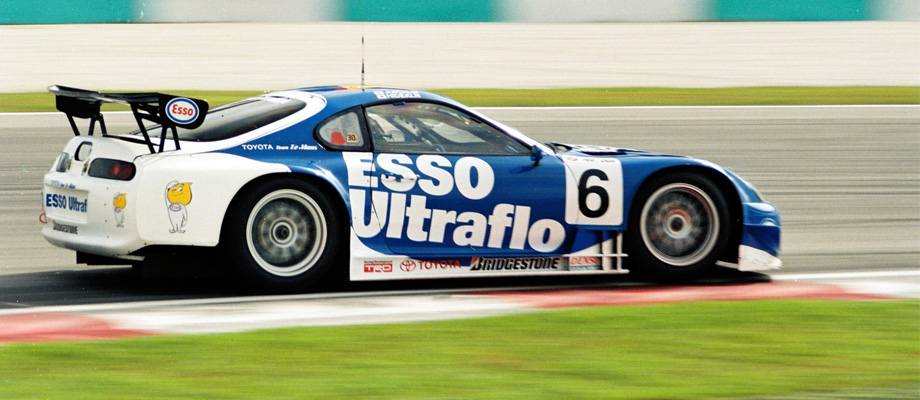
Besides these expected challenges, shooting in concert or stage scenarios is pretty much like shooting motor sports. Let's examine the details.
Telephoto Lens with a Wide Open Aperture

Yup. Without it, you're done for. You need a minimum of 200mm with a f/2.8 aperture. Any less would warrant problems. This has to do with how far or how close you are from the stage. Fast shutter speeds allow you to free movement, slow ones blur it. This is the same creative methods used by sports photographers. The aperture is used not only for bokeh effects but also for shutter speed control. A higher shutter speed used in a wide open aperture will compensate for low light conditions.
Bring along a Wide Lens

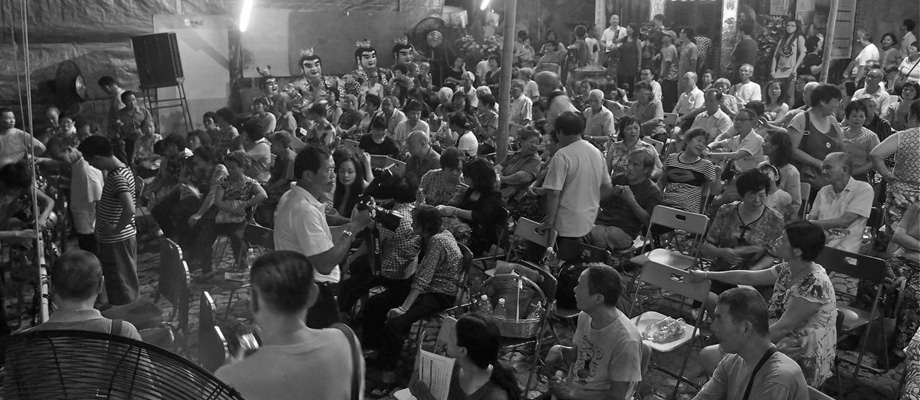
For environment shots, you need a wider lens. How wide depends on the stage. In large scale stadium style a wide area shot captures the mood and audience during performance while in the pit area (official photographer's pit access) the wider lens will also go some way to capturing the whole performance on stage. To capture the full breath of the performance, you need to include as many scenarios as you can within a short time frame.
Use higher ISO to compensate for higher Shutter Speeds

Shutter speed is a tricky subject, how fast do you need to shoot depends on how much action you need to freeze. In most cases a 1/250 shutter speed should be enough to freeze human movement. But in order to achieve that, you also need to know how much light you need to get it properly exposed. In the old days, when using film, you could only make a guess on the speed and make several shots without knowing if you hit one. This is called bracketing. With digital, bracketing isn't really necessary as a frame can be developed with up to 1 stop in exposure either way using RAW files. What you need to know is how much of the highlight, and shadow areas of the scene can be captured.
Monopod use is Encouraged

The last trick in the book is to bring along a monopod. This allows you to spin the camera on its monopod axis to ensure as little movement as possible when capturing the pictures. If you do not have a monopod, you can use your normal tripod but use it only with only ONE leg fully extended. Professional tripods are an absolute pain to carry around, they are bulky and heavy but as photographer, you need to be prepared for every shooting situation and being lazy isn't one of the traits that will help you in the end.
Be creative while you are at it....

Not all staged events takes place in dark or low light environments, the key here is using available light to your advantage within the confines of the setting. Being able to think on the move is crucial, so is find the right angle for composition. Mix lighting in concerts are very difficult to manage and plays havoc with your WB settings. It is up to you to use your creativity to manage the situation.
You have to be selfish and mindful at the same time.
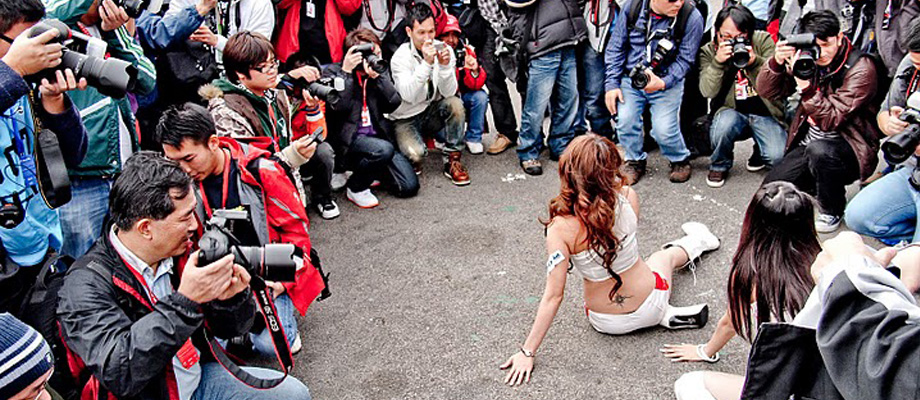
Selfish. Because you need to get the picture you want at the opportune moment. The best angle is often hogged by numerous photographers and you can't afford to be stuck in one place too long as all your shots will look the same.
Mindful. As you might be block the audience when you shoot the picture so be courteous about it. In free public concerts, there are no restrictions on what you bring along and you don't need a press pass to shoot the event. So this means you can position yourself somewhere until the opportunity comes. Sometimes you have to quick and mindful of where this will be and how you might affect the audience.
Now go out and have fun while you're at it.....


.JPG)


