
Showing posts with label image rights. Show all posts

How Image Theft is winning the Right to Copy Battle

0


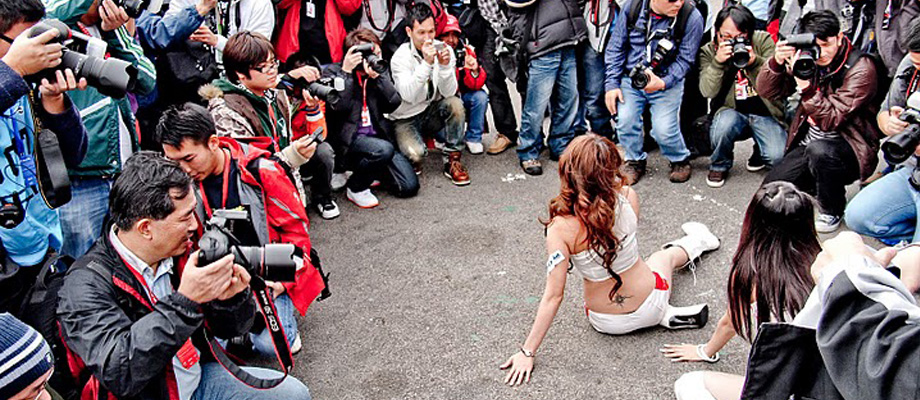
When you have captured a good image, an image worth selling through a stock image library, I think the first thing you look forward to is a paycheck. The above is an image I own that is listed with Gerry Images. I think it's a great picture but I haven't had a single sale for it. Sure I have sold other images but this one in particular was a fav of mine.

This is the perfect validation you want to have as a photographer that is to have someone buy our picture because they think it is good, but unfortunately the world at large doesn't think you deserve this. 

I have come across a legal site, here, which teaches you how to respond to copyright image theft demands from legal entities. It tells you how to cheat and steal images. And how you respond is perfectly legal.

In America, Getty Images is probably one of the last few image agencies that send out legal letter to demand payment for use of an image, be it online or offline. 


The final fee is always between 1,000 to 800 USD. Apparently, lawyers in the US can handle the case for you, without you coming out to pay the penalty demanded by Getty Images for just US$500 in legal fees. That's it. This is of course assuming that you used an image online on your commercial website. 

To me, photographers in general are having their work screwed over if they do not carry out their own due diligence to sue whoever steals their images. It gets a bit more tricky when you have to deal with a lawyer as every case you wish to file needs to have them pursue the case for you. 

Getty to Sue Google for Image Theft

In the EU, where photo and image works enjoy a bit more protection, Getty Images is suing Google for image search results.

Apparently Getty's business in the EU has been badly affected since Google started to return image results based on Meta Data searches that match the size (resolution) you are looking for. The lawsuit is going to be filed in Brussels and photographers are keeping their fingers crossed.

People have started to steal images based on searches they make online. Google will return the desired result of an image resolution you are looking for. So if say you are looking for a mother and baby photo, a high resolution image exist somewhere and this could be in a Photographer's Online Portfolio. Even 500px will list photos with 1500 x 1000 pixels that turn up on a Google search. This means you can scale up the photo with an image program like BlowUp from Alien Skin Software. 


Image theft has been made so much more easier. And in real world use, there isn't any reason why anyone would even bother to capture an image to sell online if you knew such technology existed. 

The worst part of it, digital camera companies are sitting idly, twiddling their thumbs in the hope you ante up to a more expensive digital camera. They are not even in the forefront of the battle since they sell the very equipment that takes the photos. Image theft isn't their business and because of this shallow world view, their business of making cameras is in jeopardy. Declining sales have been attributed to smart phone cameras but they are not facing up with the issue of the photography business going into decline. They have never cared to set up a coalition against image theft to protect the very customers they rely on to buy their wares.

I haven't had the chance to upgrade my 12 megapixel camera in many years and you know why? No one is going to pay for the photos I take so I why I might add, buy newer and more expensive cameras? Makes no sense to me. 

Photographers who are going to irk out a living on photography would be better off getting a used camera instead of new one. Do you need that low light ISO capability? Nope. So why would it matter to buy a brand new 40 megapixel full frame camera when a 24 megapixel full frame camera from two years ago would do the job?

Digital Photography is in decline thanks to the Internet of Things. There is no two ways about it. 

I do not think for one moment it will get any better before it gets worst and you as a photographer should realize that the pains of having your work stolen is very real and you should in some ways have a back up plan. Who knows, you could take a second job working as a barrista, or maybe even do stand up comedy to complete the 12 hour work day you signed up for. 

So take it from me, you have been warned.


Protecting Your Image with a Contract

0


The story of Max Jackson versus Color Run Inc. will go down in photographic history as one of the most bitter showdowns between an up and coming photographer and a multi million dollar commercial entity. We have all had our days when people would ask for free 'samples' for commercial use and are unwilling to pay for your day out shooting an event. Basically I don't negotiate without some form of worded contract and yes, they will ask for them. It is in your interest to state the affirmative or the negative at such a point so think wisely.

The usual ruse they will use is these excuses:-


  • I will give you the image credit
  • Offer you free publicity and exposure to the masses
  • Promise of future assignments


When you are a newbie. It's hard to not want to turn down such an offer. After all, you need the free publicity. Remember that once you give it away, you can't turn back. It's like virginity, if you give it to a cheap hooker, you're fucked. Financially speaking, it's the final nail in the coffin for you.

There is nothing wrong with a work for hire agreement where they pay you for your time and you take the pictures that will belong to them. This is far easier for a newbie to negotiate.

Where the Color Run Debacle went Wrong

In the vaporous age of internet consent, you can easily purvey sexual favors from a minor without knowing it. This is no different in the Internet age where people start asking you for free stuff and the moment you say yes, they will load it all up with their welcome wagon and take it all home snickering at the loot they have just gotten away with.

Digital imaging isn't worth much if you care to look. Too many people will ply the welcome wagon and give away their stuff for free, that said, any amateur who dips his toes into the water will have to do the same and why not? The next guy is giving his stuff away so must I.

Therein lies the problem. As a photographer, you could easily have submitted those same photos to a royalty free site and directed your would be client to go there and purchase them. It would have solved the problem of not having to do any negotiations.

Demand for Ransom

In Max Jackson's case, the magic figure was US$100,000. But you forget that you can't fight an entity larger than you without first having a WMD of your own. This is where all hell breaks loose.


The first rule is to send them a gentle reminder that rights negotiated were not honored and that you are willing to burn bridges with the entity when pressed to do so. Failing of which you need a lawyer to word out a settlement agreement and a demand for payment letter for you. Never draft this out on your own as your letter can be misunderstood as a ransom note. Get a lawyer if you want to demand for damages and this is where Max got wrong footed. 

In Black and White

When you deal with entities that are big and imposing, don't think for one moment that you are going to win just because you bought into the tale of David and Goliath. The law is all about contracts and this is where you as a photographer should prepare one for every occasion. Go google one up that basically protects you basic rights. There are busloads of contract samples on the Internet for imaging contracts. 

One of the problem with photographers is the lack fluency in writing a simple contract. If you are unsure, then you better damn well spend the money to get one written for you. That contract should cover two spectrum of use. 

  • Limited Rights Usage
  • Perpetual Rights Usage


Limited rights usage is simple. You tell the people that you intend to let them use your photos for the desired purpose and anything that falls out of that scope has to be negotiated. 

Perpetual Rights Usage would be giving away all rights to the photos to the client to do what he pleases. This is probably the best way to start if clients gets sticky about where and when they want to use them. 

Newbies are not Pro Photographers

Pro photographers negotiate rights on many factors, including for use in Print, TV, Billboards, etc. As a newbie, you don't have the muscle to pull such a thing off because you're not a pro and you don't have the business acumen to package the deal. 

Let me cut a long story short. Pros have all the necessary documentation drafted out for selling photos to clients. Amateurs do not and people can tell when they ask for free pictures. As a Pro, you don't give away free pictures because you own a legitimate business. Any request for free use will be countered with "I'm so sorry but I run a business, if you are interested in the photos, then allow me the courtesy to direct you to my stock image library to purchase them". 

Last Word on Photo Licensing

You have to admit that you can't do it all. Sometimes you license the use of the photos yourself, other times you let someone else license it for you. There are lots of stock image libraries around the world. Pick one that you like best and put your pictures up for sale. Stock image libraries do not litigate but they have a contractual obligation to give you the rights managed licensing agreement for you to take action. There are third party agencies that litigate in America when it comes to rights managed photos but it does not apply for cross border copyright infringement. What's more, even in America, the copyright debacle is full of inconsistencies. For example, you need to have your image registered with the Library of Congress to enjoy copyright protection. 


Microstock libraries are normally royalty free. But the buyer pays according to the resolution size he or she needs. If someone steals it from the buyer, don't expect the agency to come after you. 

Litigation is expensive, and for royalty free photos, it makes no cents.


Should I be worried if I place photos with Stock Agencies?

0

There is an increasing number of photos being made public domain and that's not a bad thing. The bad thing is when artist use these photos from public domain and turn it into a piece of art for commercial use.

Creative commons licensing was created to allow for people to use pictures legally for non commercial means. Some public domain pictures are free to use for everything and these can be found in on sites like Pexel and Unsplash. This narrow definition of what is public domain and what is not is a very fine line. One can easily miss this.

Petapixel recently reported that a photographer got his picture lifted for use in a Kenneth Cole commercial product and got paid with a US$500 gift card after making a complaint. Kenneth Cole's reasoning was that the artist made a mistake but refuses to give cash as payment. For one, a gift card is NOT cash. You can't buy gas or burgers with it on the street.

Why Photographers get Ripped Off

The most simple answer is due to ignorance. If you think that by adding your picture to creative commons that your image will be respected, then think again. Here are some common misconceptions.

The Law will Protect my Images from being Misused

You can't dial the police and tell them your rights as a photographer has been abused. So don't get the idea that the Police are behind your back when it comes to such rights. You are responsible for policing the use of your image and no one else will care unless you do.

I can sue the party who misuse my images

This is a fucktard assumption that you can afford to have a lawyer represent you. Lawyers get paid by the day, and you can of course try to hire one and pay them part of the proceeds from any monetary award you get from a judge but if you look at the price of stock photos and rights managed licensing, you'd be happy to walk away from the court room with a few thousand dollars at most. That won't even pay your lawyer fees! And no, you cannot expect the court to award you the 'cost' of the law suit.


Rights Managed Photos are no Better

Here is a case with Joshua Resnick, who claimed in a Petapixel post that he was being sued by a model who saw her images being used in far more creative ways than allowed. Now he sold the images through Shutterstock, and because shutter stock did not police the photos they sold, it ended up in places where it shouldn't be, like an ad for Playboy or a social escort services agency. The photographer is getting sued along with Shutter stock to the tune of 50 grand. 

According to Joshua,

"Defending yourself against even completely false accusations will cost almost anyone a huge amount of money. A common misconception is that when you win in court, you get your attorneys fees paid. That’s not always the case. Even if I do win, this case will likely be financially devastating either way."

Two points come to mind, would you shoot a risque image just to sell it on stock agencies or would you prefer to have a commissioned photo shoot where all the due diligence with client contract is fulfilled? Having a business where you shoot when assigned is probably going to cost you lost opportunity if you didn't have the money to market yourself. 

Never believe what the Stock Agencies Tell You

Everyone wants to be a photographer because the stock image business is booming. It is just like developing an iPhone app, which could make you lots of money if it was successful. Of the few iPhone developers who make money from apps, thousands of others fail. And this is where you have to make the distinction between payday and hard work. 

Nobody likes hard work. To put together your portfolio takes effort and time, and time is money. Photographers wanting to go professional will resort to taking on cheap assignments. Stock photos is the only one option to sell quickly, the other route to building your reputation is to give those photos away on Unsplash or Pexel.com. Both are easy gambles which may or may not work in your favour. 

Photographers who concentrate on industry specific verticals like say wedding photography, marine or industrial and architectural can't afford to spend time with stock image agencies. They take only assignments and they don't shoot for cheap. This need not be the case if every photographer holds their ground and shoot only when assigned. Stock image photography isn't a long term business. There will always be some upstart who can take better pictures than you and sell it for cheaper. 

In this day and age, more photos are being shot in a day than the whole of the 1960s combined. Digital photography has brought down the cost of entry into this field and with it, a decreasing return on investment. Corel was one of the first in the 90s to sell royalty free images on a CD and I remember buying them. Since then, you can virtually buy any type of image online. Stock image agencies do not own the content you give to them but you have volunteered that image to them in hope of a sale. They will sell the photos as you have dictated but they never put in the clause to say that they will police those rights like the Taliban. They also did not say that they will bear the cost of the court room proceeding if they fail to police those statutory rights. 

To start off, you must know the risk of being sued even if you have rights managed photos put into stock image agencies. You can assume that models in those images don't really care but yes, they do. Stock image agencies these days want photos with models that sell for a dollar. They don't care how you con your way into having a model in your picture. That's not their problem. It is also not their problem if the buyer does not respect the bounds of the image license. That is your problem too. 

The moral of the story is that if you can't afford to hire a lawyer, then don't start with stock photos as a business initiative. It makes no sense to earn so little and get sued out of your home. 


The Business of Image Theft

0


"I am sorry but I can't do this" I said, of which the Marya said "good bye".

This is the story of image theft and it happens all the time. I was looking for some freelance work and came across a posting in freelancer.com, they were looking for writers who knew about travel destinations. The idea seem simple enough, the client wanted a short write up on travel destinations and people could pitch their worth to them. Unknown to the writers, the client has hidden a few "caveats" by not revealing that they also want you to steal high resolution photos.


The idea behind the job was at best, questionable. I suggested they would need to buy photos from a stock agency, with a bulk purchase, it would cost less than US$0.70 a photo for Royalty Free images.


The client went on to say that the purpose is completely different. With that I thought maybe they are using it offline as a training document in a school room. Then I decided to ask if it was off line or online use. The answer shocked me....it was for online use.

Any image for public use should be cleared for public use. You cannot go around taking photos in that manner. I know that some may use images gleaned from Flickr to illustrate a Powerpoint presentation for internal use. I am still ok with that but there are limits. If you use a presentation online for any reason, this is a business exercise and for that you have to buy photos.


The client doesn't seem to care and since it was a Malaysian company, there is good reason to suspect that the online use will be hosted outside of the US, meaning a DCMA takedown will be totally ineffective.

Why Companies should go Legit

It cost you next to nothing. Sign up with a stock image agency on a monthly or annual basis and you can download all the pictures you want for a subscription fee if you have a budget. There is no such thing as not having a budget for even the cheapest of photos from RF Stock Image agencies.

When I worked alongside Sony Asia Pacific, there was never a moment about not paying for Royalty free or Right Managed photos. I would seek them out, research them and buy them for Sony. I have paid over US$40,000 in photo royalties to photographers on behalf of Sony for one project alone.

To not pay a dollar or less for royalty use is like stealing candy from a baby—its no easy! These days, medium resolution RF images can easily be bought for a dollar a pop. We all know that life is bitch when you can't get something easily and for free on the Internet. But there are limits to what you can do and ripping off photographers isn't one of them.

I came away from that episode completely frustrated and angry. For me, I don't think photographers are making a killing out of selling their photos. In fact, the whole business of selling photos has gotten so complicated of late to the point there is no way to address the issue anymore. Which pictures should you be offering for RF, and what should be rights managed? With smartphone photography muscling in on the stock image business, there is literally no point in charging more for a photo just because you shot it on a ten grand worth of equipment. The value of an image has depreciated so much these days that anyone with an iPhone can compete with you in the RF stock market sphere.

Print publications don't buy photos like they use to. In fact, thanks to royalty free photos and image scaling software, they can use any image in print without breaking a sweat.

I am constantly reminded of the kind words I got from photographers such as Michael Yamashita, Abbas Atta of Magnum and author Michael Freeman. They need people to champion their rights and change the mindset of clients who are out to buy photos. Don't think for one moment that a stock image agency will do that for you. Litigation is an expensive process and the last thing they want is to lose customers. That is why co-operative image agencies owned by the photographers themselves work best. They have to protect their own interest when no one else will.